Skip to content
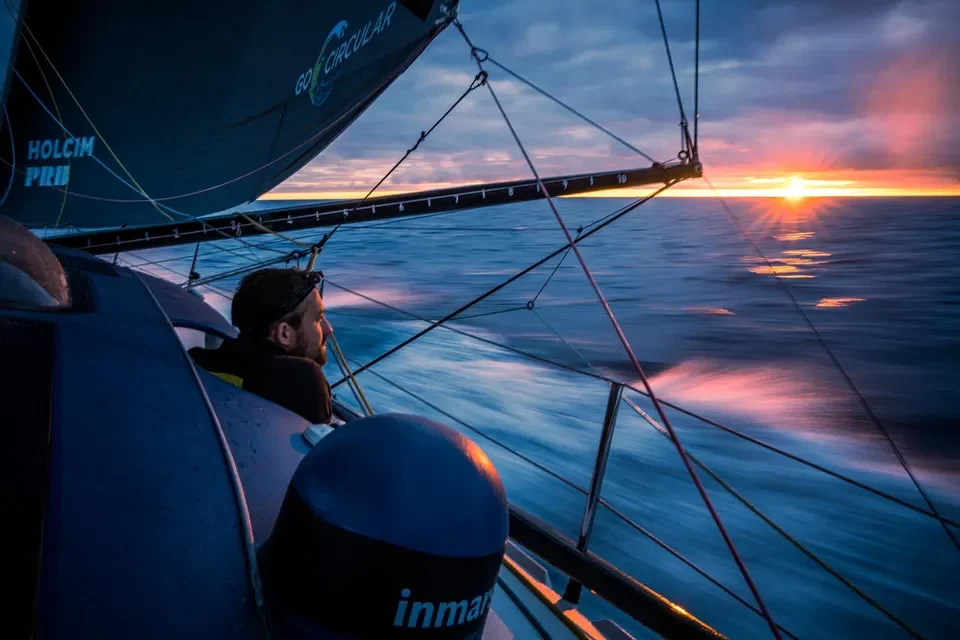
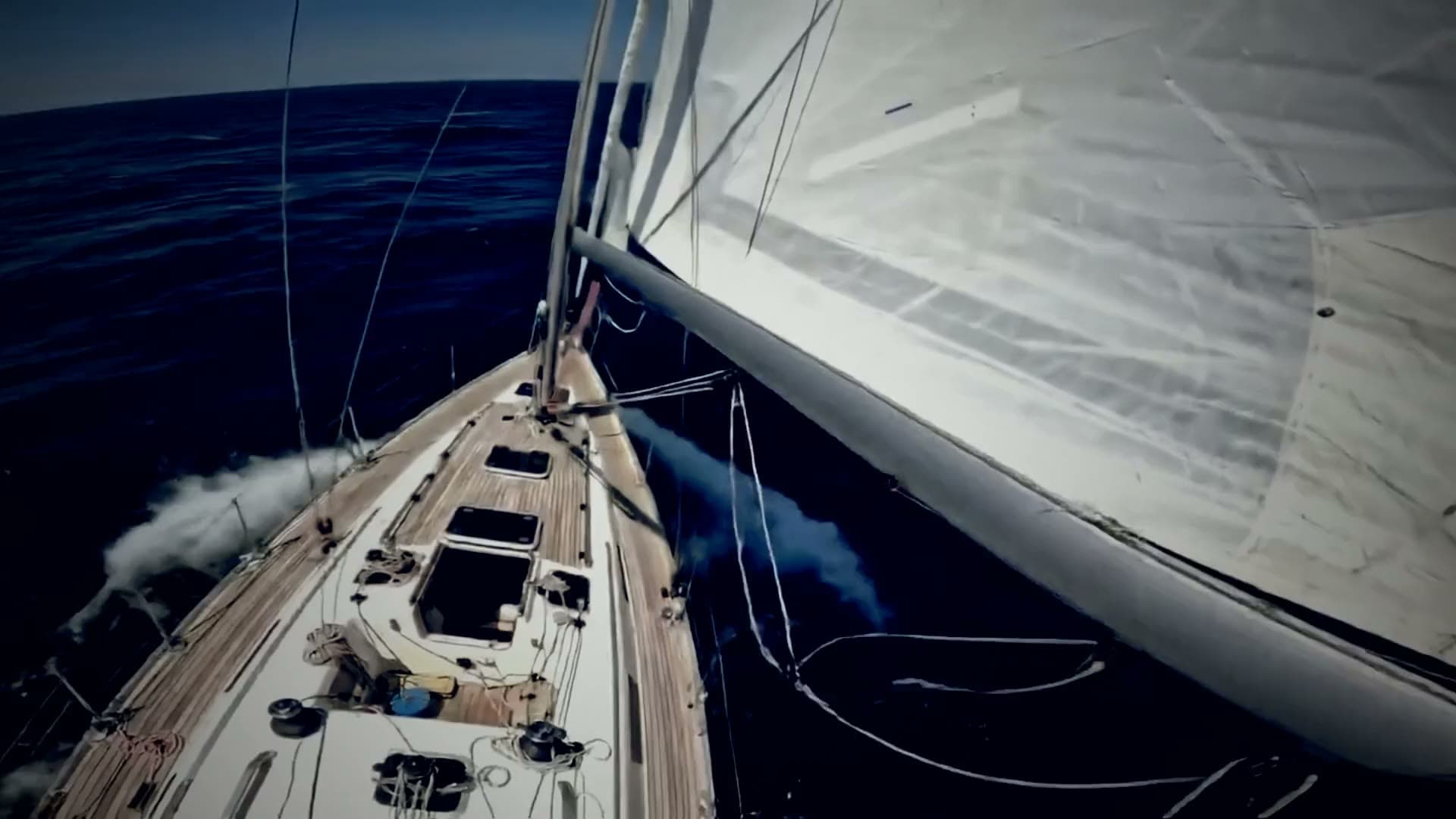
Deck view of a yacht under sail cutting through deep offshore swell
S 36°50′ · E 174°46′Under way · 0 m
Citizens of the Sea badge

Turning the world’s seafarers into a global ocean-observing network.

Citizens of the Sea brings seafarers and scientists together to collect biodiversity and environmental observations from remote, under-sampled waters.

A shared observatory

Descending from the surface

Where research vessels are scarce, everyday voyages can extend the reach of science.

Cruising yachts, racing teams, voyaging vessels and commercial ships already cross waters that are difficult and expensive for dedicated research expeditions to reach.

With practical tools and shared protocols, participating crews can gather observations at sea while scientists analyse and interpret them ashore. Environmental DNA is one part of a broader picture that can include onboard sensors, environmental context and satellite observations.

Voyages

Seafarers reach remote water as part of journeys already under way.

At sea · crew led

Observations

Simple, repeatable field methods turn passage-making into useful evidence.

Shared protocol · real context

Insight

Scientists interpret the record and return knowledge through reports, data and stories.

Analysis · interpretation · return

From wake to sequence

A voyage becomes a living ocean record.

The programme turns the ordinary rhythm of offshore passage-making into a distributed sampling network.

  1. 01

    Sail

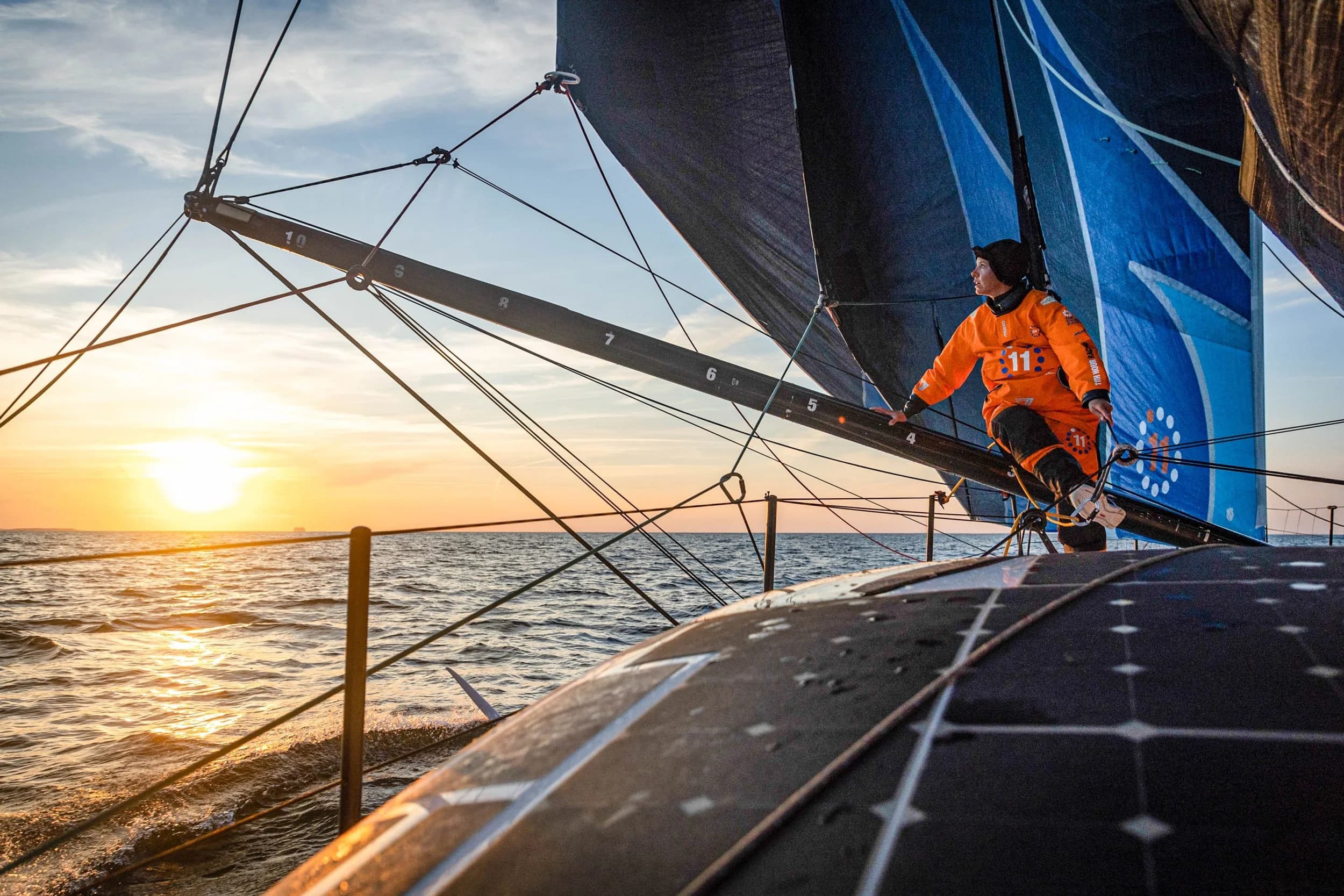
    Experienced seafarers cross remote water

    Ocean cruisers, racers and commercial vessels reach places that are expensive for research vessels to visit.

    OFFSHORE PASSAGE · SOUTH PACIFIC

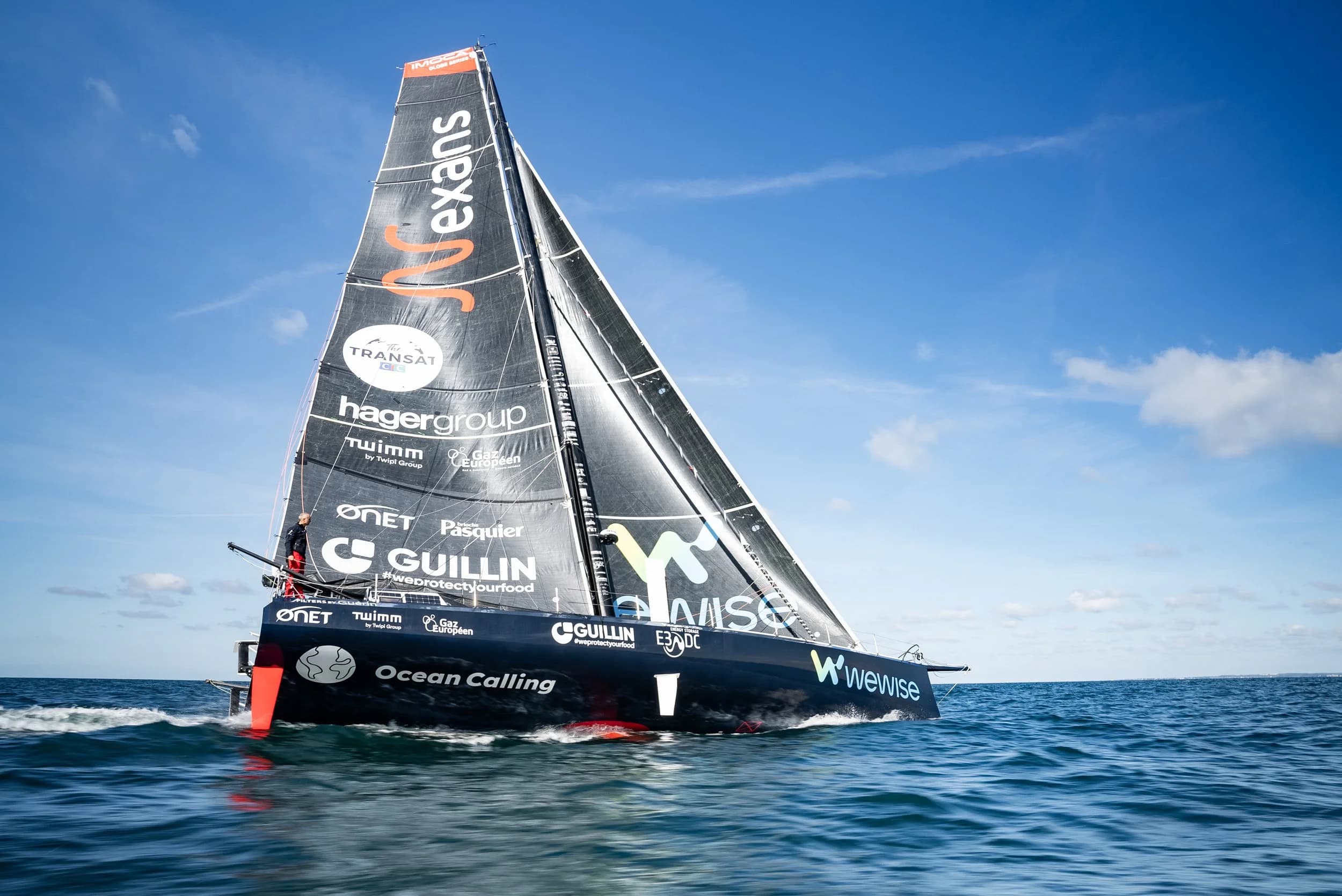
    Racing yacht heeling through open ocean under sail
  2. 02

    Observe

    Participating crews gather the field record

    Shared protocols make biodiversity sampling and environmental observations practical during an offshore passage.

    COLLECT AT SEA · RECORD CONTEXT

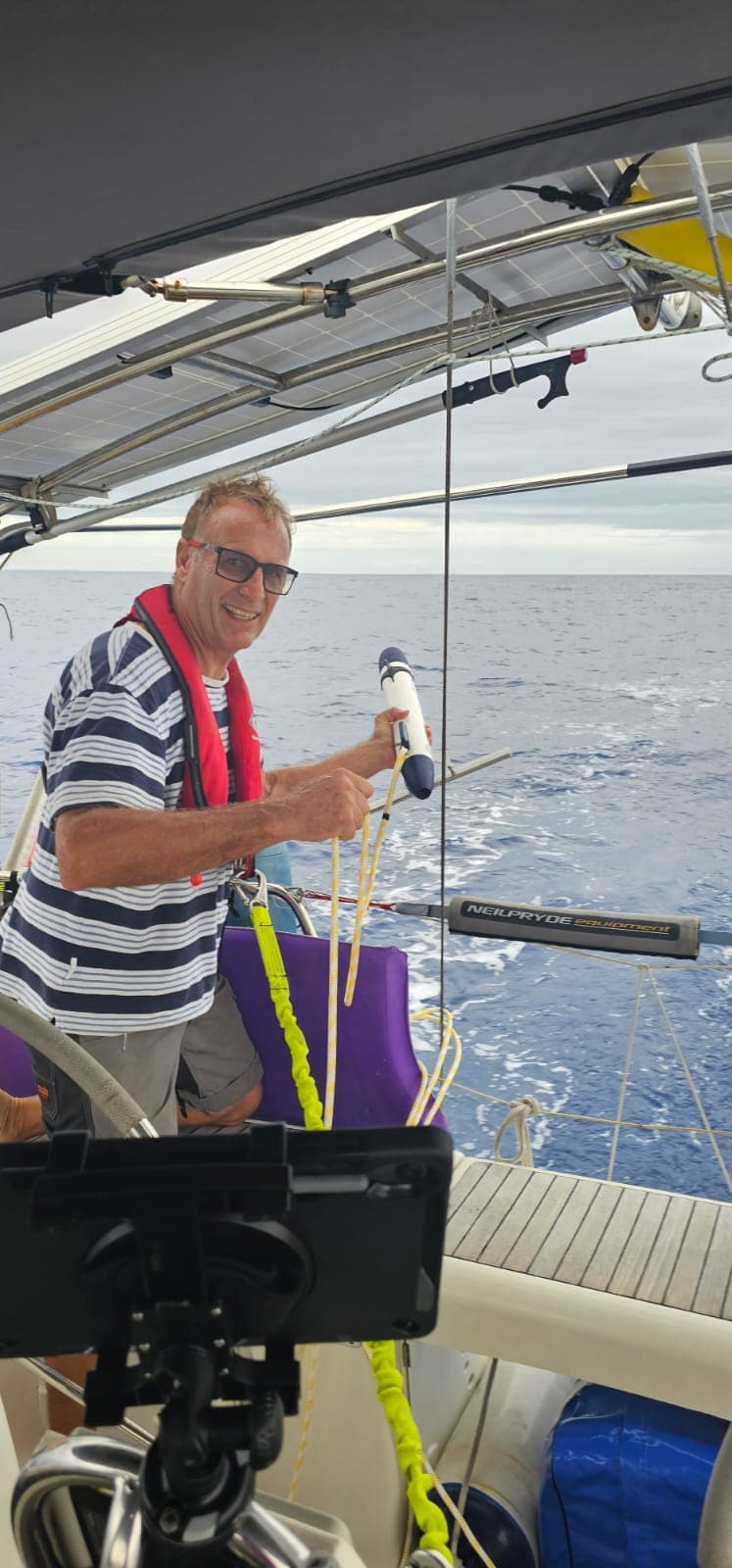
    A sailor lowering an eDNA sampling device off the stern of a yacht
  3. 03

    Analyse

    Scientists turn observations into evidence

    Environmental DNA and supporting context are processed and interpreted with scientific partners ashore.

    LAB ANALYSIS · SCIENTIFIC INTERPRETATION

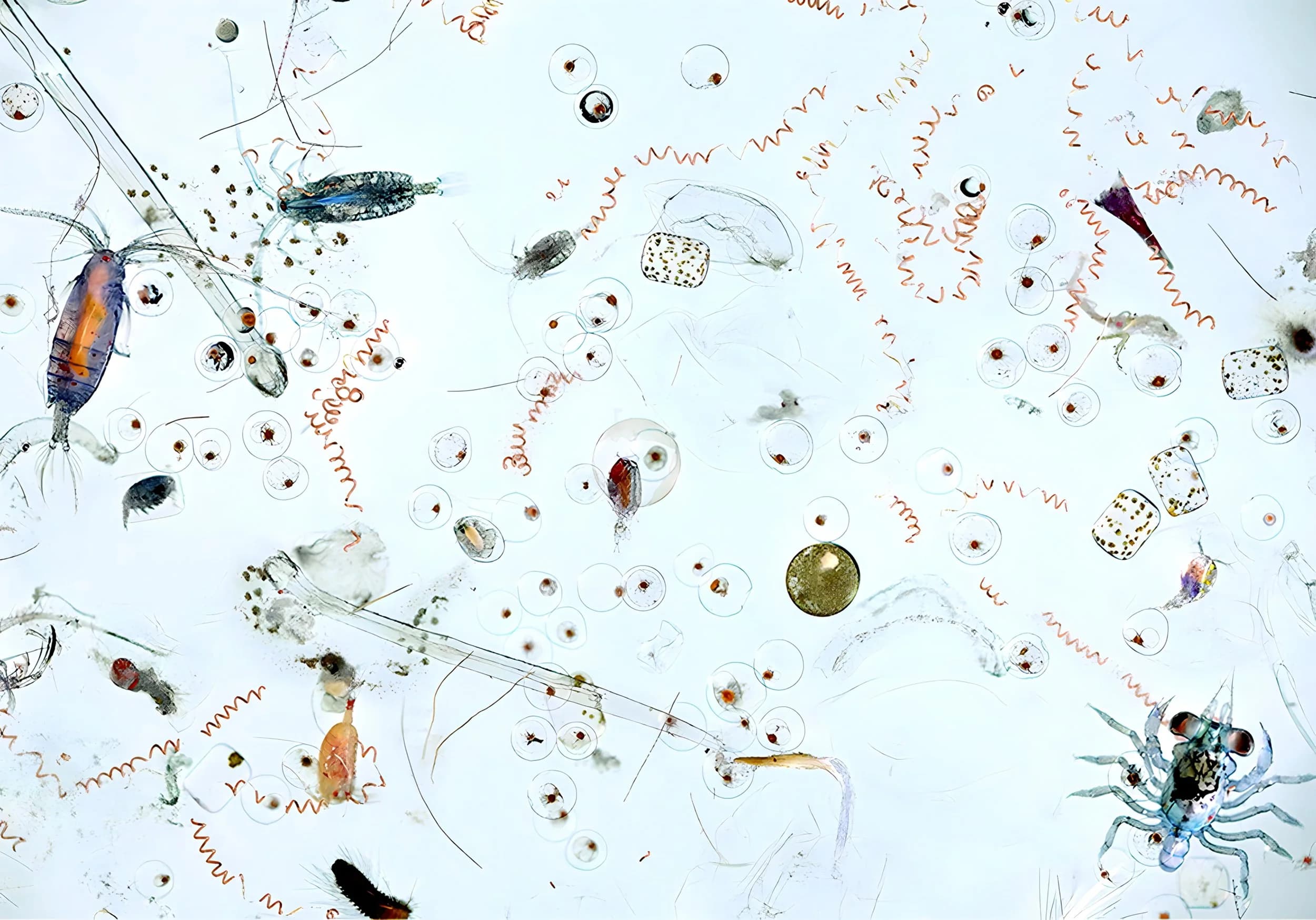
    Plankton photographed under a microscope against a bright field
  4. 04

    Share

    Insights return to the ocean community

    Reports, data experiences and stories return the work to seafarers, partners and ocean communities.

    REPORTS · DATA · STORIES

    Fleet route tracks drawn across a South Pacific ocean-current map

40 m · Thermocline

Below this line, sunlight ends and the archive begins.

Twilight zone below

On film · 60 m

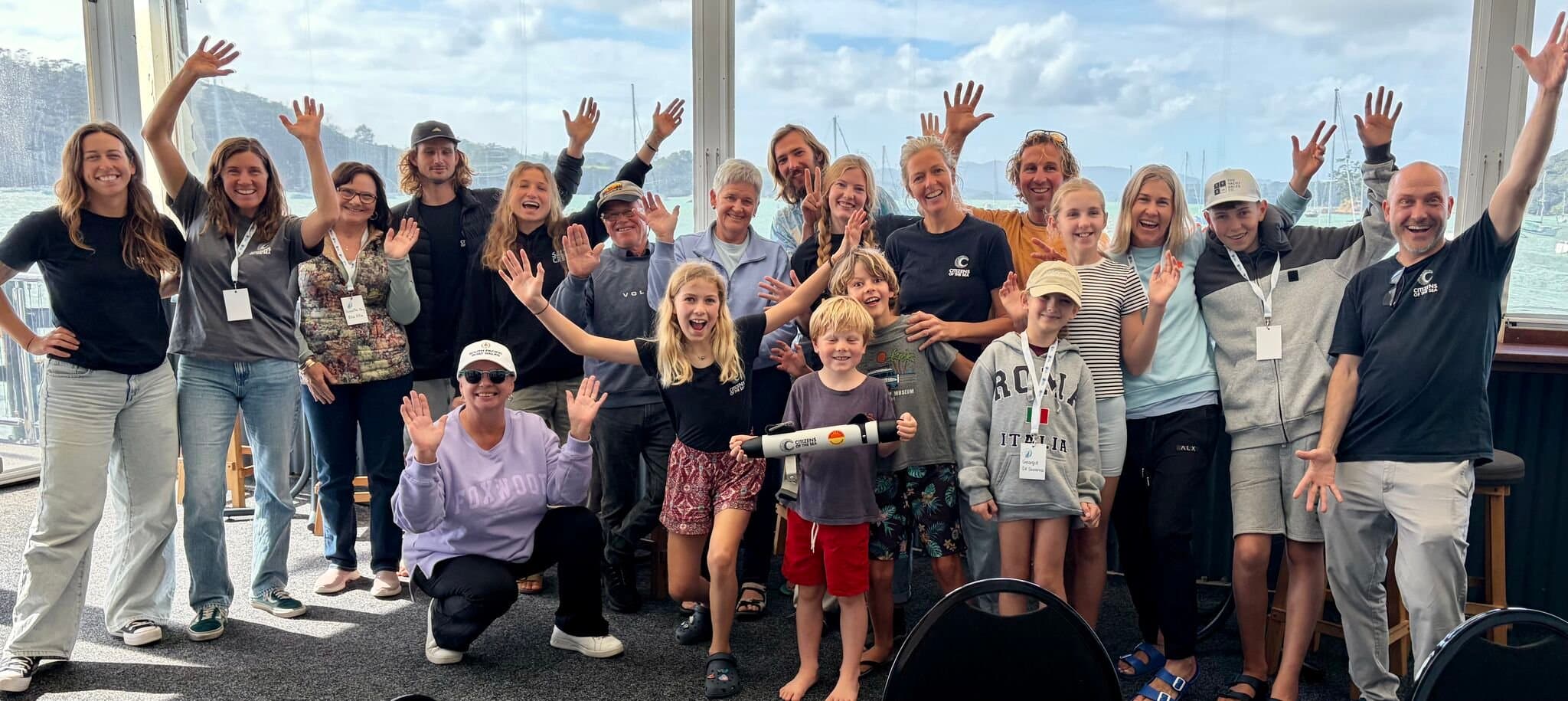
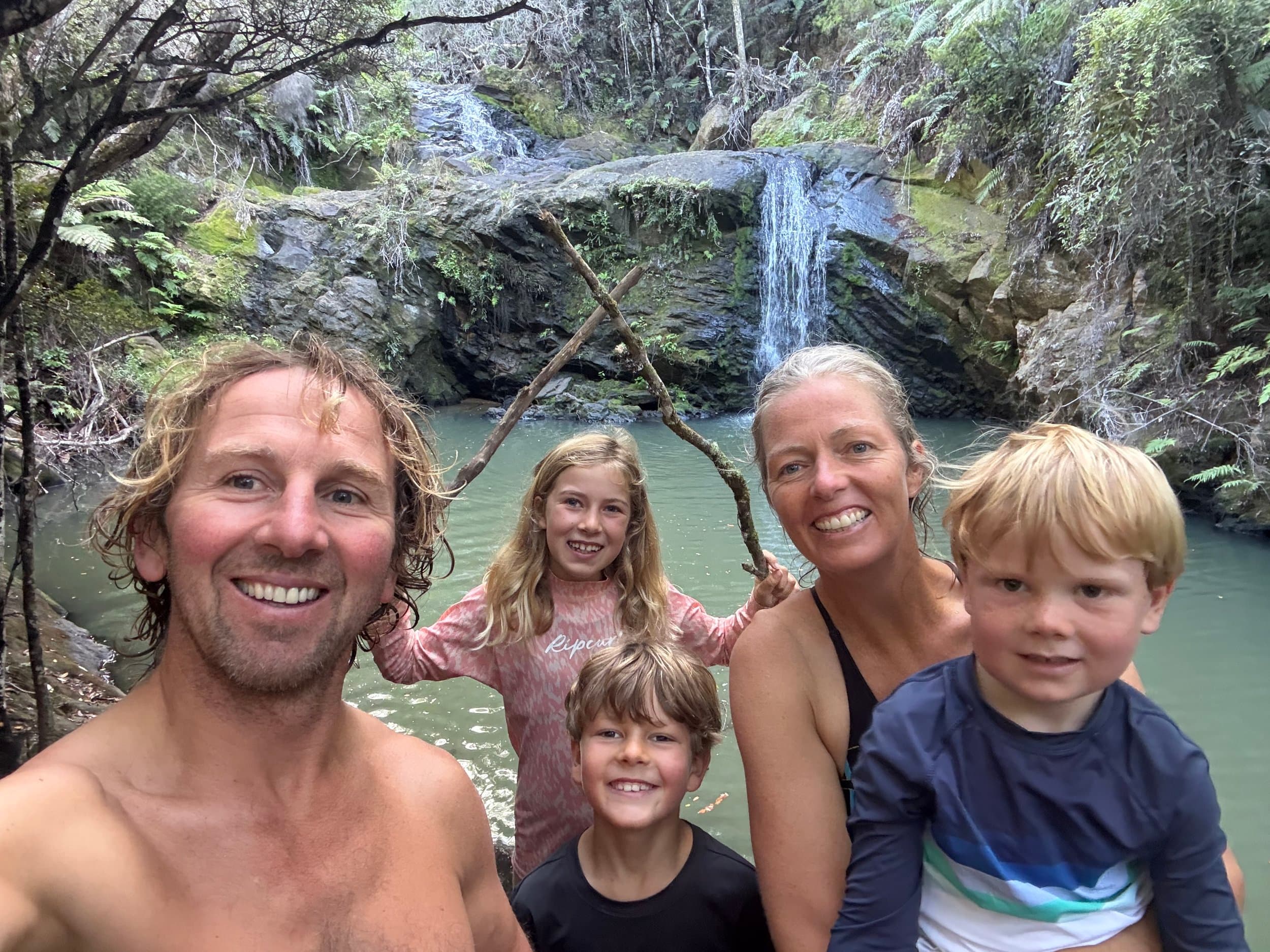
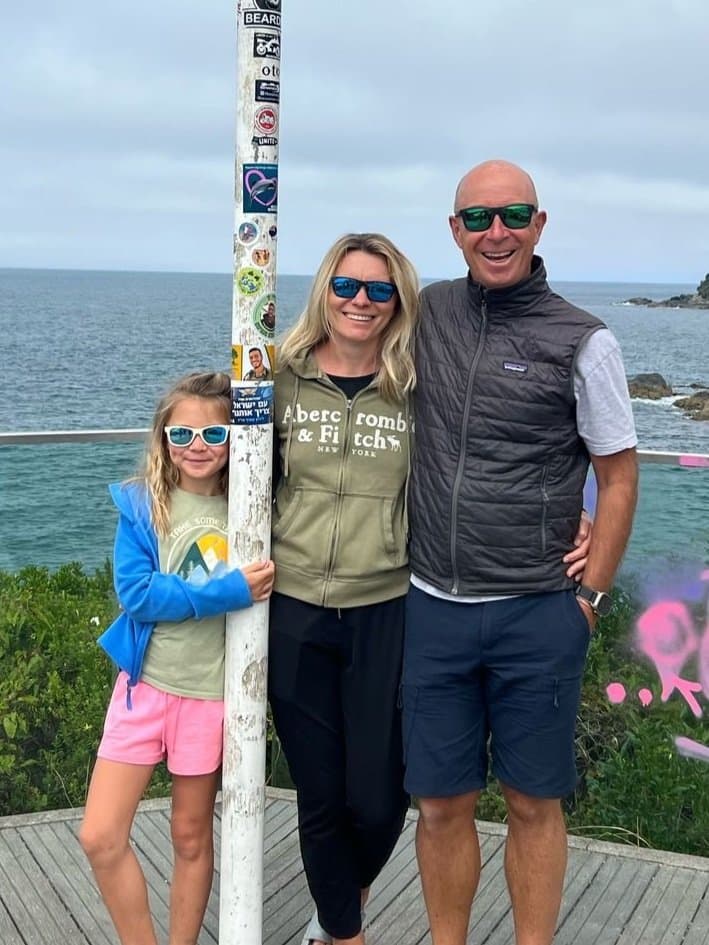
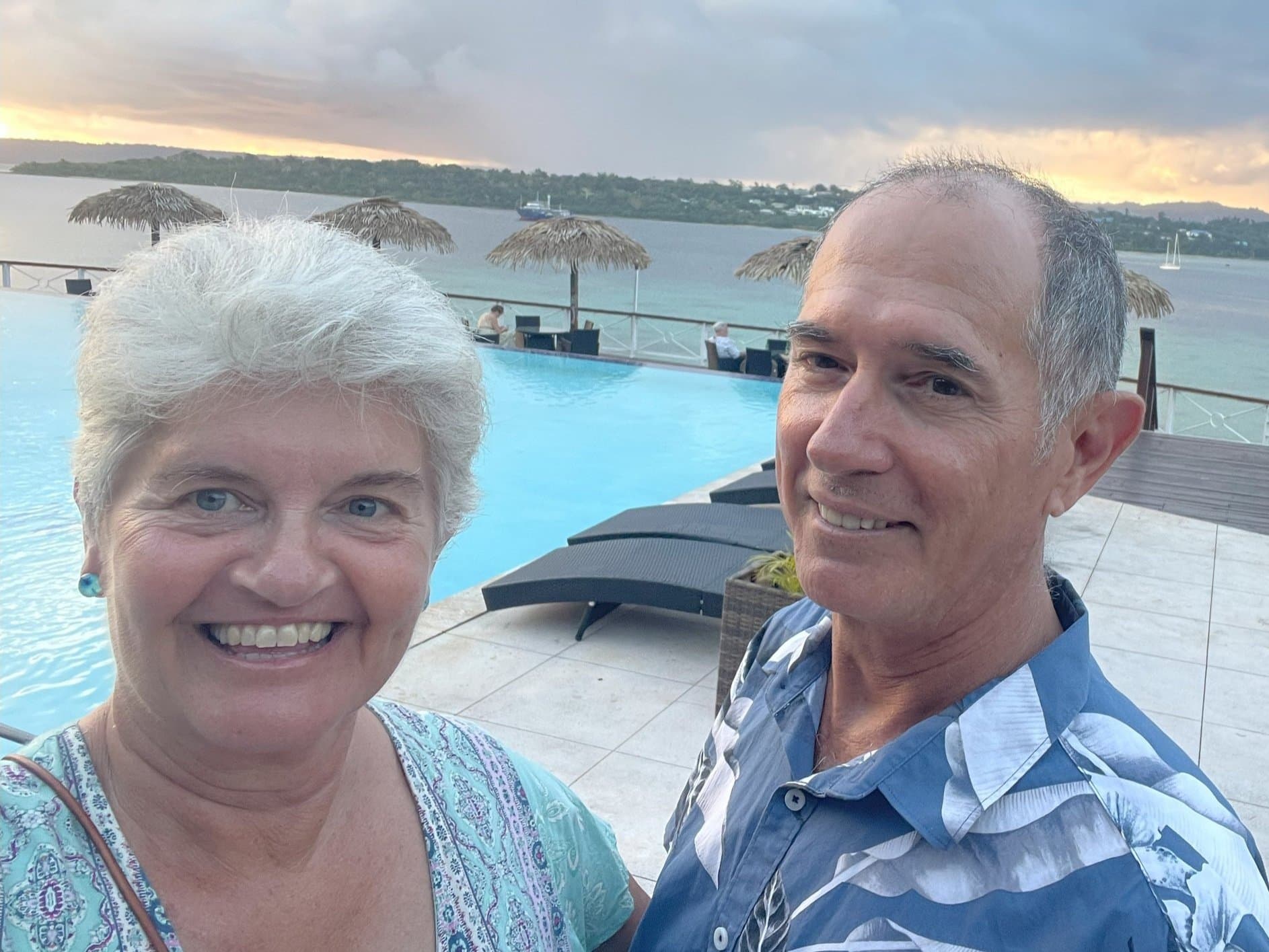
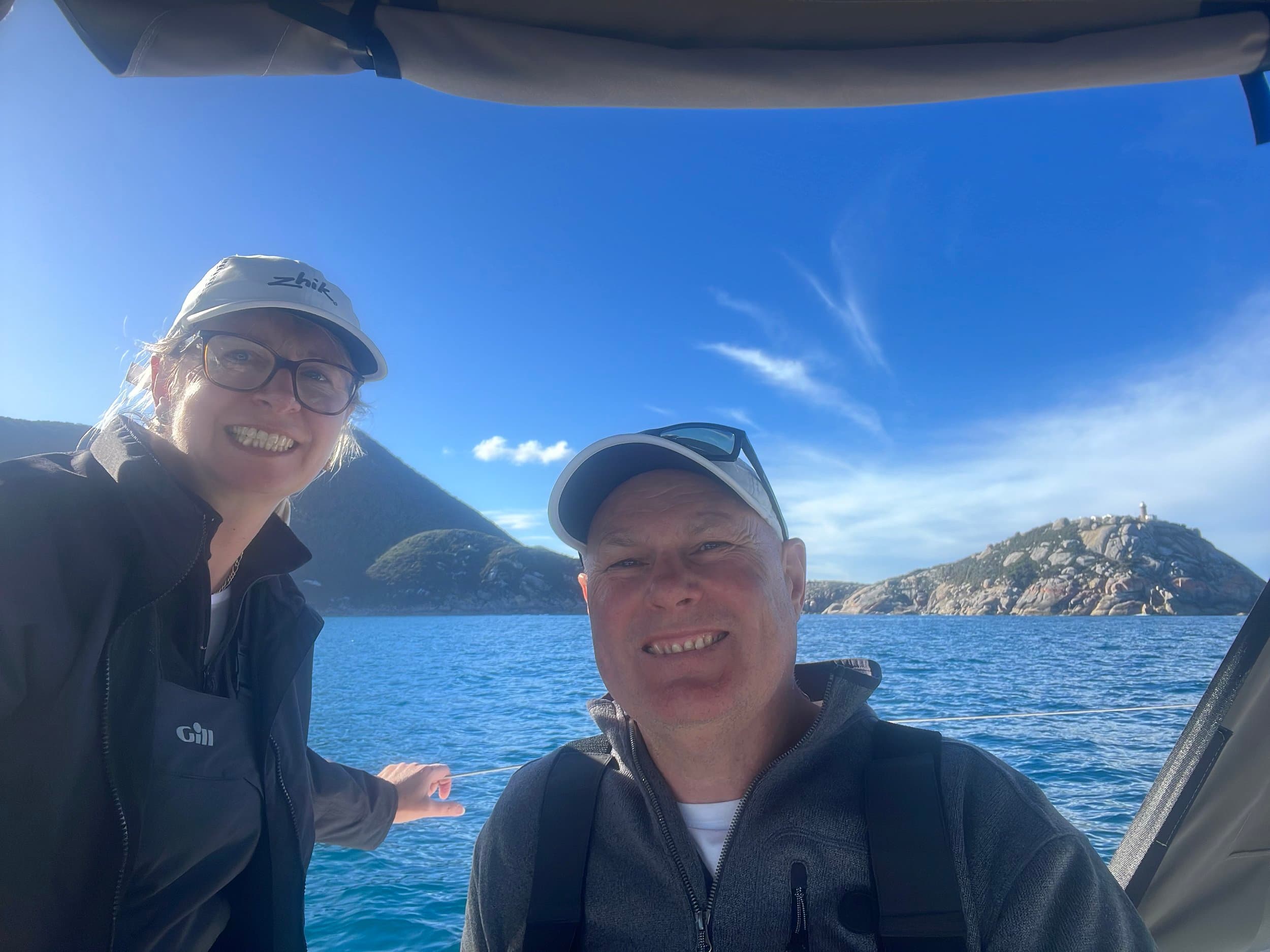
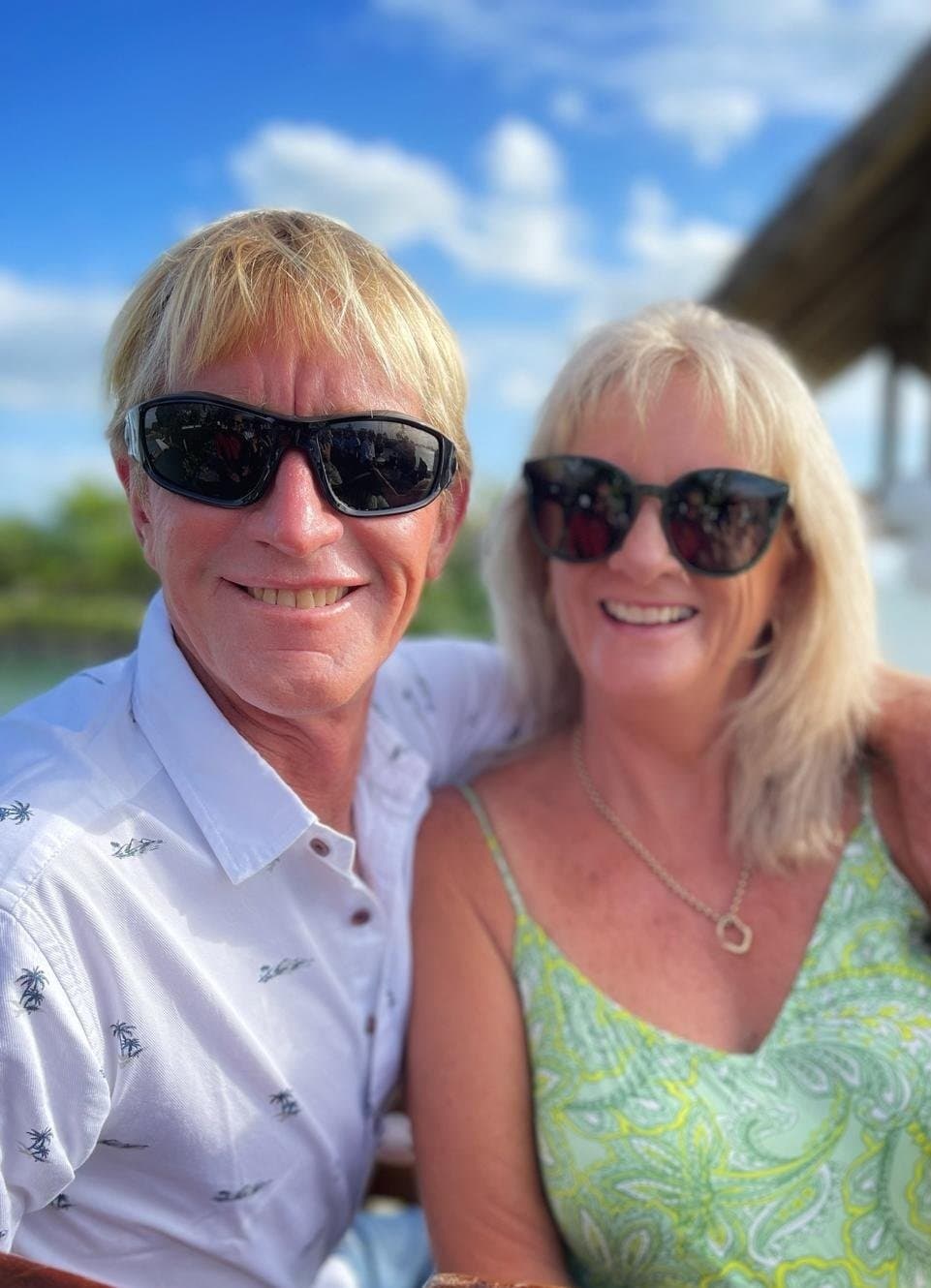
Liz, Barry, Lily, Felix & Rufus.

The star of the story is one of our sailing families: Liz, Barry, Lily, Felix and Rufus who talk about how the ocean brings joy to their lives and why they want to work with Citizens of the Sea to help protect it. Watch it below.

Empowering sailors to collect eDNA across the South PacificBBC StoryWorks · IUCN · Minderoo Foundation

A letter to Nature

Liz Powell is a sailor and Citizens of the Sea participant. This is her letter to Nature.

Thanks to the Minderoo Foundation, we are very fortunate to be part of a new series produced for International Union for Conservation of Nature (IUCN) by BBC StoryWorks Commercial Productions.

Liz’s letter to Nature

Our citizen scientists · 70 m

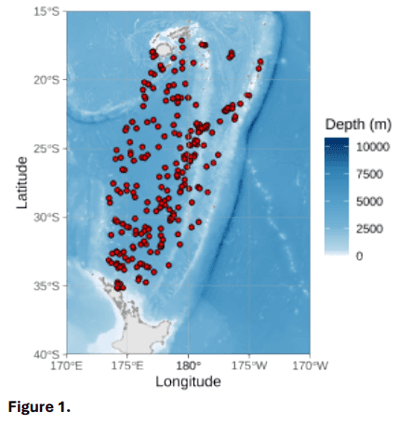
The fleet behind the data

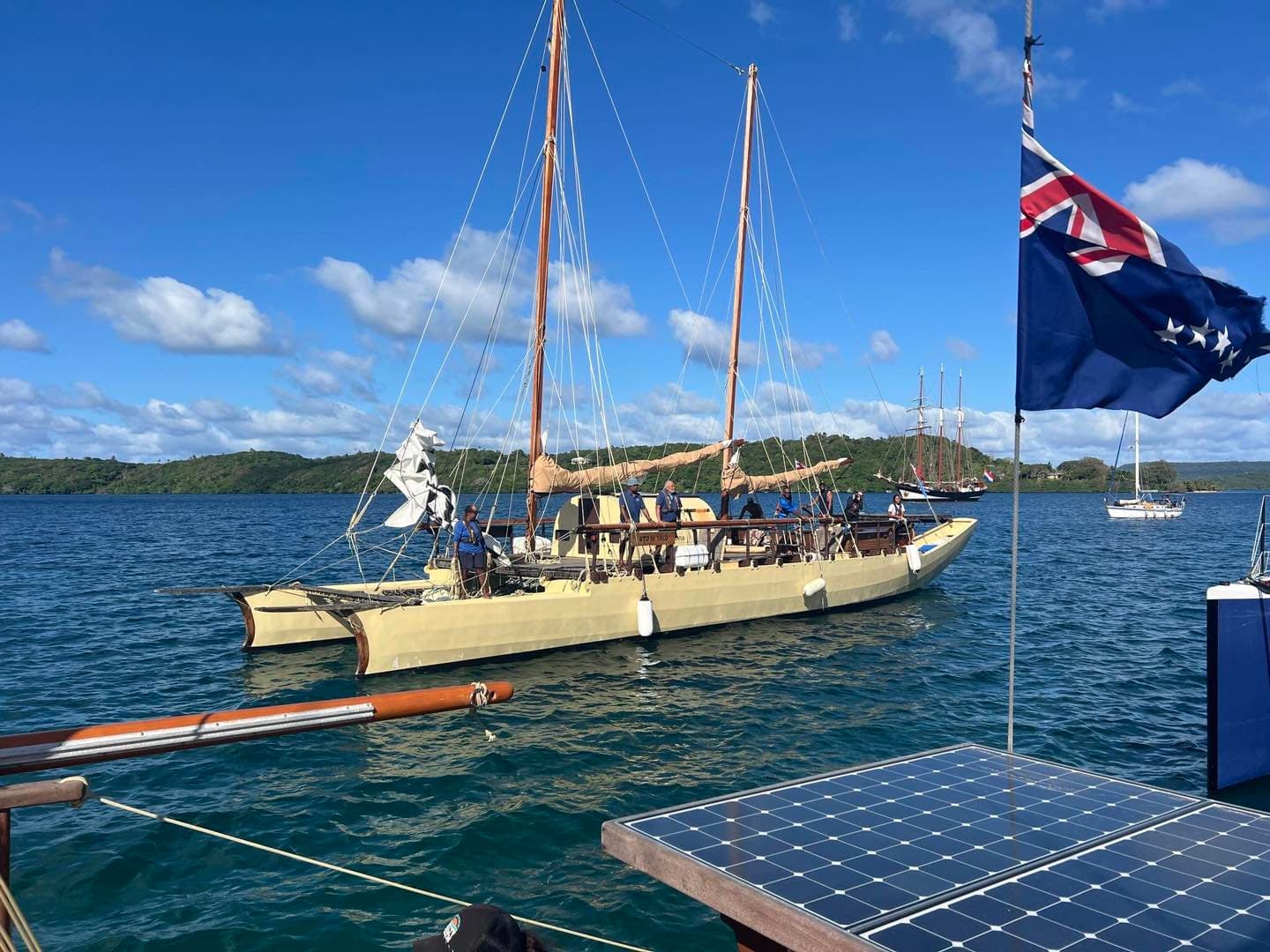
Real crews carry the work across offshore routes. Their vessels, field knowledge and time at sea are what make this collaboration possible.

12 featured vessels
from the public archive

  • Crew of Ocean Calling01
    Ocean CallingeDNA sampling vessel
  • Crew of Hinemoana II02
    Hinemoana IIeDNA sampling vessel
  • Crew of Lucky Jonny03
    Lucky JonnyeDNA sampling vessel
  • Crew of Warrior04
    WarrioreDNA sampling vessel
  • Crew of Jadamama05
    JadamamaeDNA sampling vessel
  • Crew of Moana06
    MoanaeDNA sampling vessel
  • Crew of Whisky Romeo Hotel07
    Whisky Romeo HoteleDNA sampling vessel
  • Crew of Leeway08
    LeewayeDNA sampling vessel
  • Crew of Nahla09
    NahlaeDNA sampling vessel
  • Crew of Way To Go10
    Way To GoeDNA sampling vessel
  • Crew of ZamZam11
    ZamZameDNA sampling vessel
  • Crew of Geniet Lewe12
    Geniet LeweeDNA sampling vessel
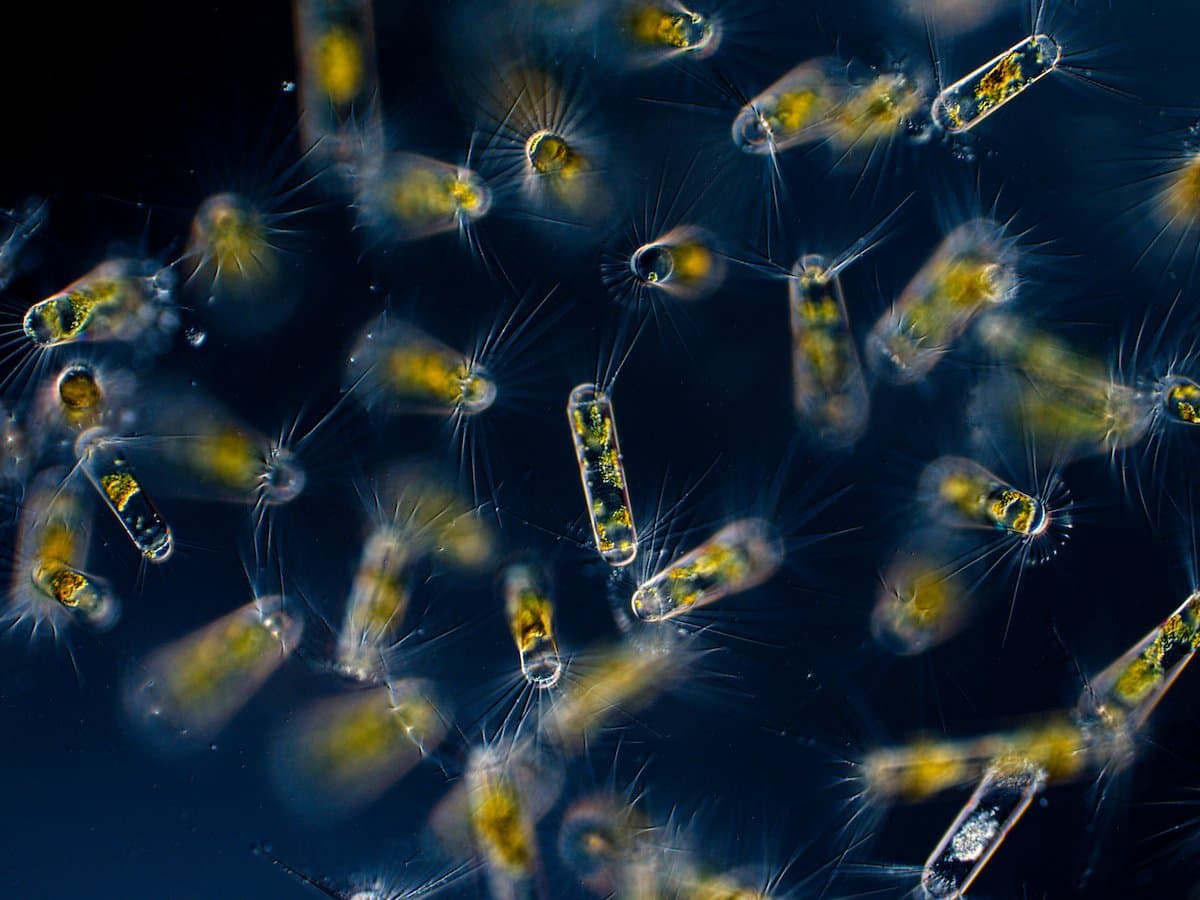
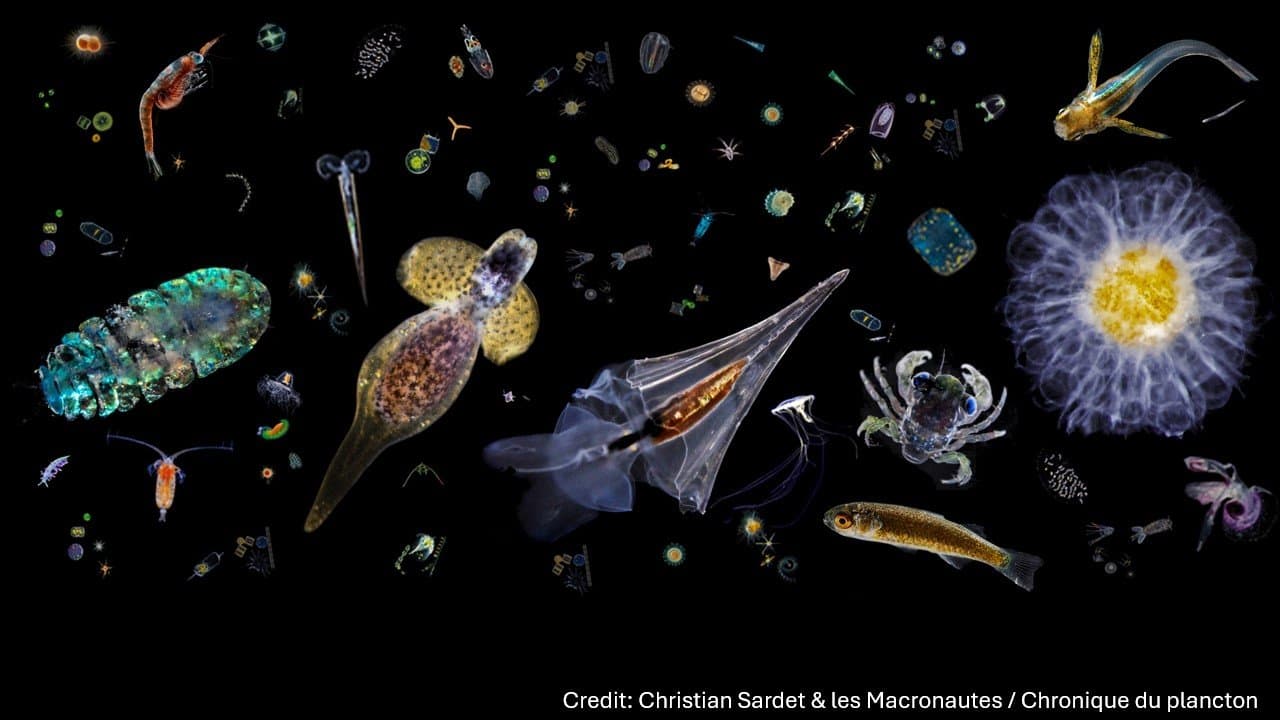
Phytoplankton photographed under a microscope, glowing against dark water

Phytoplankton — the base of the ocean food web, revealed in an eDNA sample

Take part · 120 m

There is more than one way aboard.

The network grows through long-term partners, participating vessels and people who choose to support the work. Start with the path that fits you.

  1. Partner with us

    Work with CitSea on programme delivery, research, technology, fleet access or long-term funding.

  2. Join the Fleet

    Tell us about your vessel, route and timing. A CitSea team member will reach out with relevant participation opportunities.

  3. Support the work

    Help fund equipment, logistics, laboratory processing, data analysis and the return of findings to ocean communities.

Acknowledgments

Citizens of the Sea didn’t happen overnight. We acknowledge the partners and funders who have contributed over a number of years to various pilot projects, hardware and methods that have brought this programme to life.

Founding

  • Cawthron Institute
  • New Zealand Geographic

Racing partner

  • Vendée Globe Foundation

Pacific partners

  • VEPA
  • Reef Explorer Fiji

Funders

  • Minderoo Foundation
  • Illumina
  • LiveOcean Foundation
  • KiwiNet
  • SeaKeepers
  • Fonds Pacifique

Supporters & suppliers

  • Chapman Tripp
  • Ocean Calling
  • Tonga Voyaging Society
  • Island Cruising
  • Conservation International
  • Eagle Technology
  • Esri
  • Thermo Fisher Scientific
  • Sequench
  • NGAIODx
  • Zymo Research
  • Hurst Design
  • Kernohan
  • Smith-Root
  • QIAGEN

Join the Fleet · 900 m

Bring your route into the record.

If you operate an ocean-going vessel, tell us where you plan to travel and how your crew would like to contribute. The first step is intentionally short; practical and eligibility details come later.

Participation depends on campaign relevance, safety, permissions, equipment and programme capacity.

  1. 01

    Your vessel

    Name and vessel type

  2. 02

    Your passage

    Planned route and timing

  3. 03

    Your interest

    How the crew hopes to help